2027.3 – Assistant Professor (incoming), Department of Systems Biology, Yonsei University
2027 – Postdoctoral scholar, Chemical & Biomolecular Engineering, University of Delaware (Advisor: Aditya Kunjapur, Co: Jacques Ravel)
2025 – Ph.D., Ecology & Evolution, University of Chicago (Advisor: Seppe Kuehn, Co: Madhav Mani)
2023 – M.S., Ecology & Evolution, University of Chicago
2018 – B.S., College of Liberal Studies (Biological Sciences & Economics), Seoul National University (Advisor: Yong-Hwan Lee)
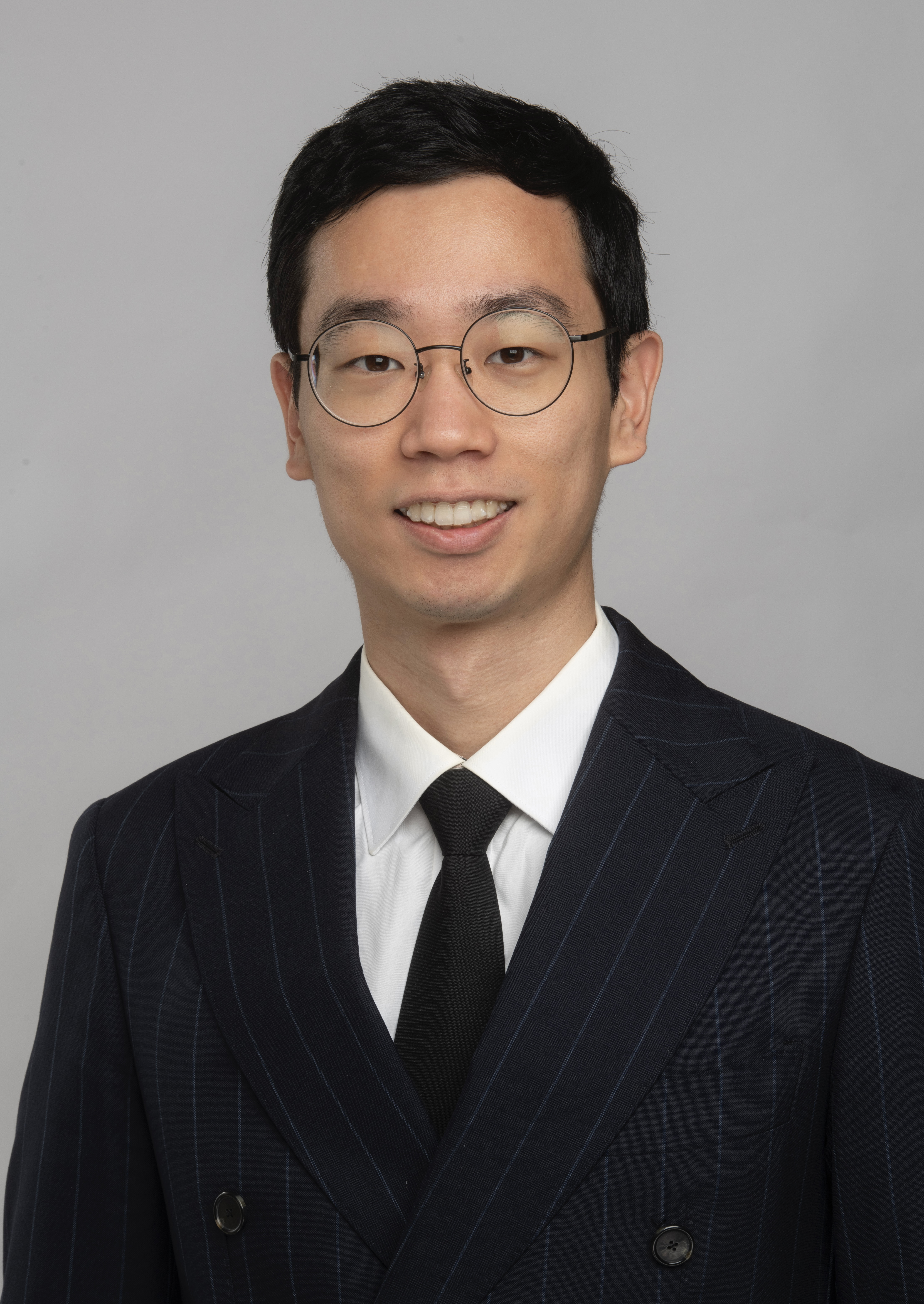
Kiseok (he/him) is a microbial ecologist studying how microbiomes maintain their functions (metabolism) as environments change, and how these principles can be used to engineer more robust microbiome functions. His doctoral work in the Seppe Kuehn Lab at the University of Chicago, co-advised by Madhav Mani at Northwestern University, showed that complex soil microbiomes can respond to environmental change in surprisingly predictable ways, with their functional responses captured by a small number of ecological parameters (Nature, 2025) and functional groups (bioRxiv, 2026). As a postdoc in the Kunjapur Lab at the University of Delaware, co-advised by Jacques Ravel at the University of Maryland, Baltimore, he integrates microbial ecology with synthetic biology, developing live biotherapeutic strategies for the bacterial vaginosis (vaginal microbiome), including strategies that use pH to shift bacterial communities toward optimal community states. His lab at Yonsei University seeks to systematically understand, design, and engineer important microbiome functions in soil and the vaginal microbiome. By combining microbial ecology, quantitative modeling, AI, and synthetic biology, the lab seeks to identify the ecological principles that make microbiome functions robust or fragile, and use them to design microbiomes that maintain desired functions in changing real-world environments.